

Adaptation Planning and Management
We conduct research on the planning and management of adaptation strategies to climate change, as well as on methodologies for the rational formulation and implementation of comprehensive disaster risk reduction measures. Our work focuses on elucidating the interactions between socio-economic systems—centered on human behavior—and disaster processes, while also advancing studies on effective disaster risk communication and governance.
Severe Storm and Extreme Weather
We conduct research on severe storm disasters with significant societal impacts—such as typhoons, torrential rains, and tornadoes—as well as localized meteorological hazards in urban and mountainous regions. Using approaches including observations, data analysis, and numerical modeling, we investigate the generation processes and physical mechanisms of these extreme weather events. Our work involves the development of scientific methods such as dynamical downscaling to local scales, data assimilation and numerical forecasting, and analyses of turbulence and diffusion at local scales. In parallel, we advance research on the assessment of climate change impacts and adaptation strategies for extreme weather, particularly storm-related disasters.
Coastal Disasters Risk
We conduct research on risk assessment of coastal disasters in densely populated and intensively utilized coastal areas to enhance preparedness against threats from the sea. In particular, our studies focus on predicting extreme sea levels that account for changes in typhoon characteristics due to global climate change, sea-level rise, and storm surges, and evaluating their impacts on coastal disaster risk. In addition, we advance scientific and technological developments through theoretical studies of wave dynamics, numerical model development, laboratory experiments, and field observations. We also pursue research on disaster mitigation technologies that harness nature, such as the use of mangroves.
Hydrometeorology
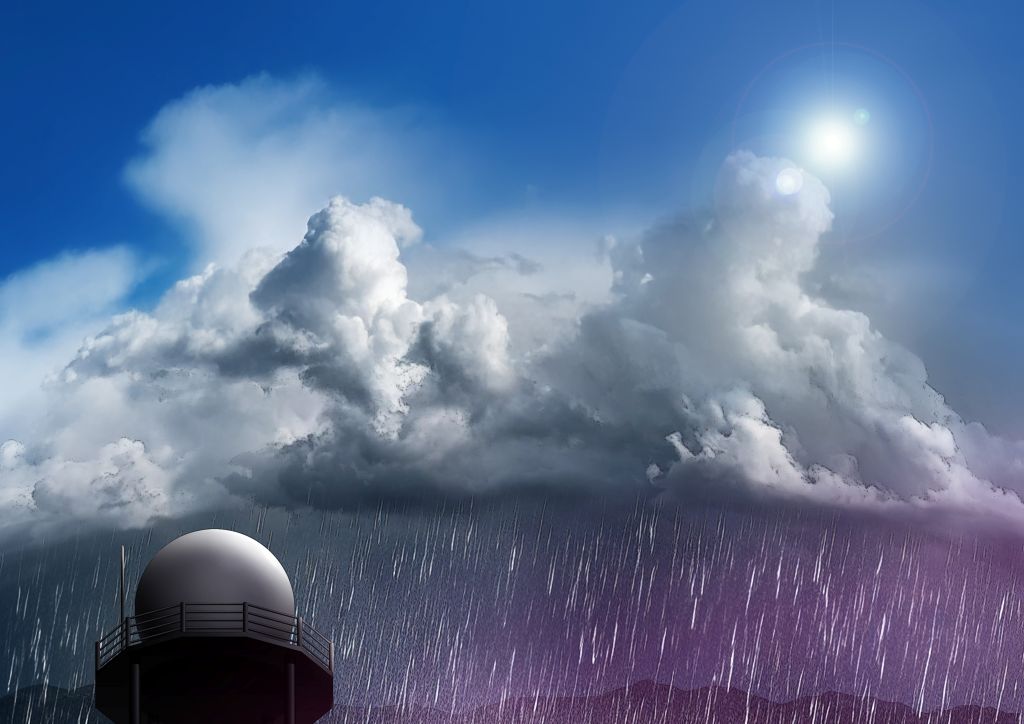
With the aim of safeguarding human lives and ensuring a brighter future against torrential rain disasters, we work to elucidate the mechanisms of heavy rainfall through field observation experiments using radar and high-resolution numerical simulations. Our research also focuses on projecting future changes in heavy rainfall under global warming and developing real-time forecasting methods as adaptation strategies. In doing so, we consider the interactions between watershed environments—including human activity spheres—and the atmosphere, thereby pursuing research that promotes harmonious coexistence between human society and nature.
River Disaster Prevention Systems
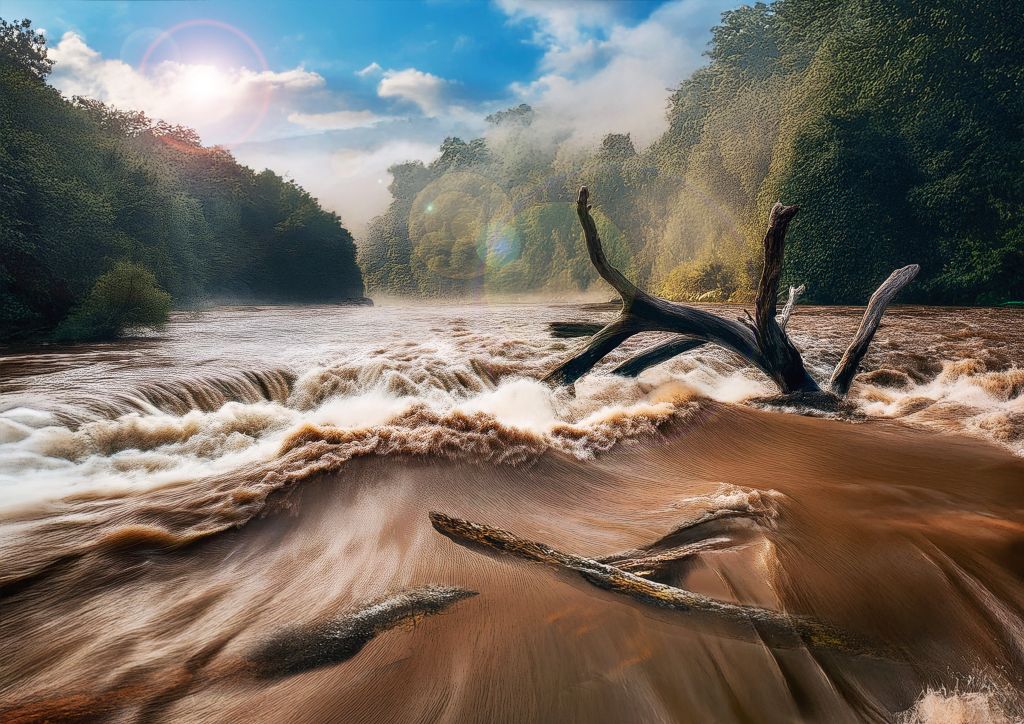
Focusing on river basins, we conduct research on disaster phenomena such as inland and riverine flooding and sediment-related hazards triggered by torrential rainfall, aiming to elucidate their generation mechanisms and to develop measures for disaster prevention and mitigation. In particular, by taking into account future changes in rainfall intensity associated with climate change, we assess the impacts of inland and riverine flooding on inundation damage, levee breaches, reservoir sedimentation, and watershed environments. Furthermore, through fundamental experiments, hydraulic model tests, and field investigations at disaster sites, we integrate numerical simulations with these approaches to evaluate future risks and the effectiveness of damage reduction measures.

Atmospheric and Oceanic Monitoring
Focusing on the atmosphere and ocean, we conduct full-scale experiments and field observations at the Cape Shionomisaki Wind Power Laboratory and the Shirahama Oceanographic Observatory. Continuous and intensive multi-parameter observations of meteorological and oceanographic conditions are carried out, supporting both fundamental and applied research based on wind engineering, meteorology, coastal engineering, and physical oceanography. These efforts aim to advance understanding of atmospheric and oceanic fluid phenomena and to contribute to the assessment of impacts from disasters and climate change. The experimental and observational facilities, equipment, and measurement data at these sites are widely utilized in collaborative studies with researchers both within and outside the university.
Meteorological and Hydrological Risk Information (endowed by JWA)
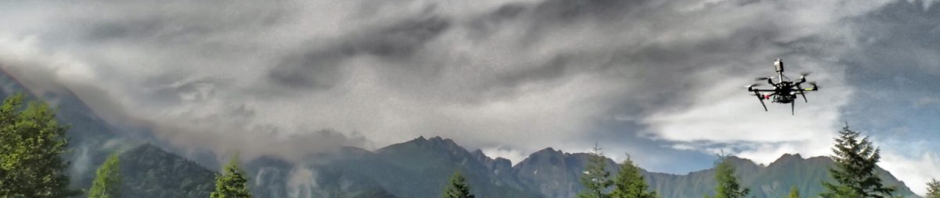
We conduct research on advancing observation technologies and exploring strategies for utilizing forecast information that accounts for uncertainties. Our work aims to generate and apply innovative meteorological and hydrological information, while also developing approaches for the effective use of weather information that incorporates uncertain risks in meteorological and hydrological data.